 blog
Is a 7kW EV Charger Worth It for Home?
Table of Contents
- What a 7kW Home EV Charger Actually Does
- 7kW EV Charger Charging Time: Real-World Estimates
- 7kW Charger vs Three-Pin Plug: Speed and Safety
- 7kW vs 22kW EV Charger: Which Makes Sense for Your Home
- Home EV Charger Installation Cost and Payback
- Does Your Home's Electrical Supply Support 7kW Charging
- Is a 7kW Charger Right for Your Driving Habits
- Frequently Asked Questions
Last Updated: October 11, 2026
What a 7kW Home EV Charger Actually Does
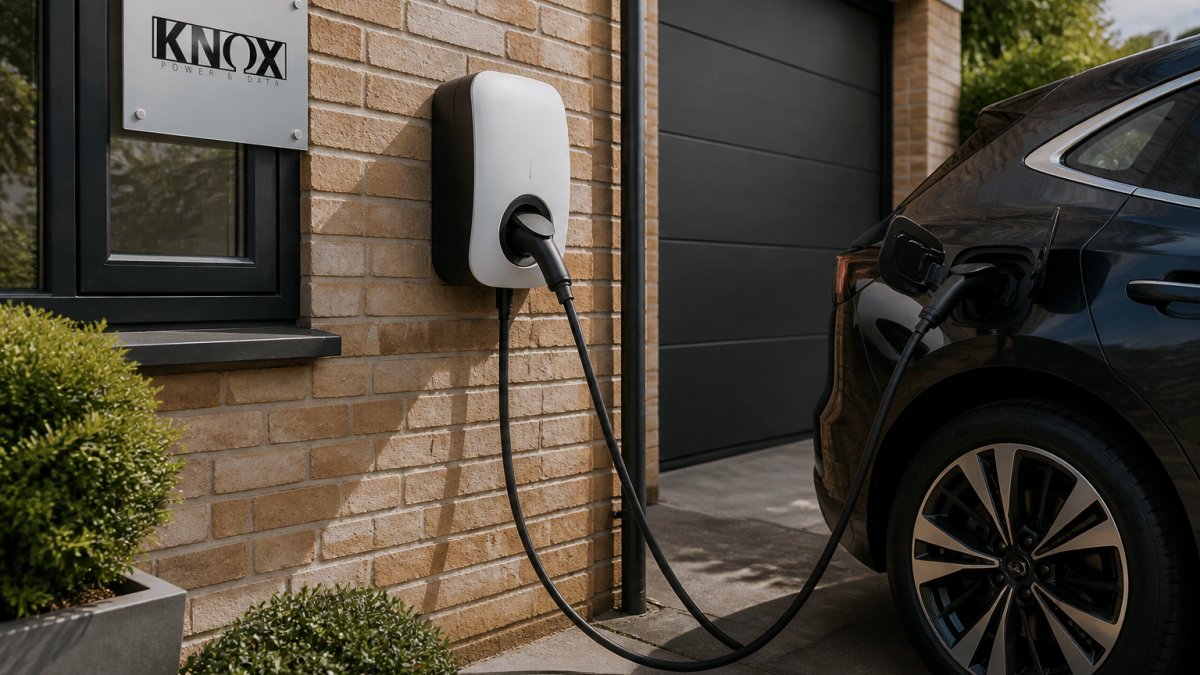
A 7kW EV charger is a wall-mounted charging unit that delivers power to your electric vehicle at a rate of 7 kilowatts per hour. We install these systems across West Yorkshire homes and help owners understand exactly what they're getting. Unlike a standard three-pin plug that trickles charge slowly, a 7kW charger is a dedicated electrical installation that connects directly to your home's circuit board, delivering consistent, faster charging overnight or during the day.
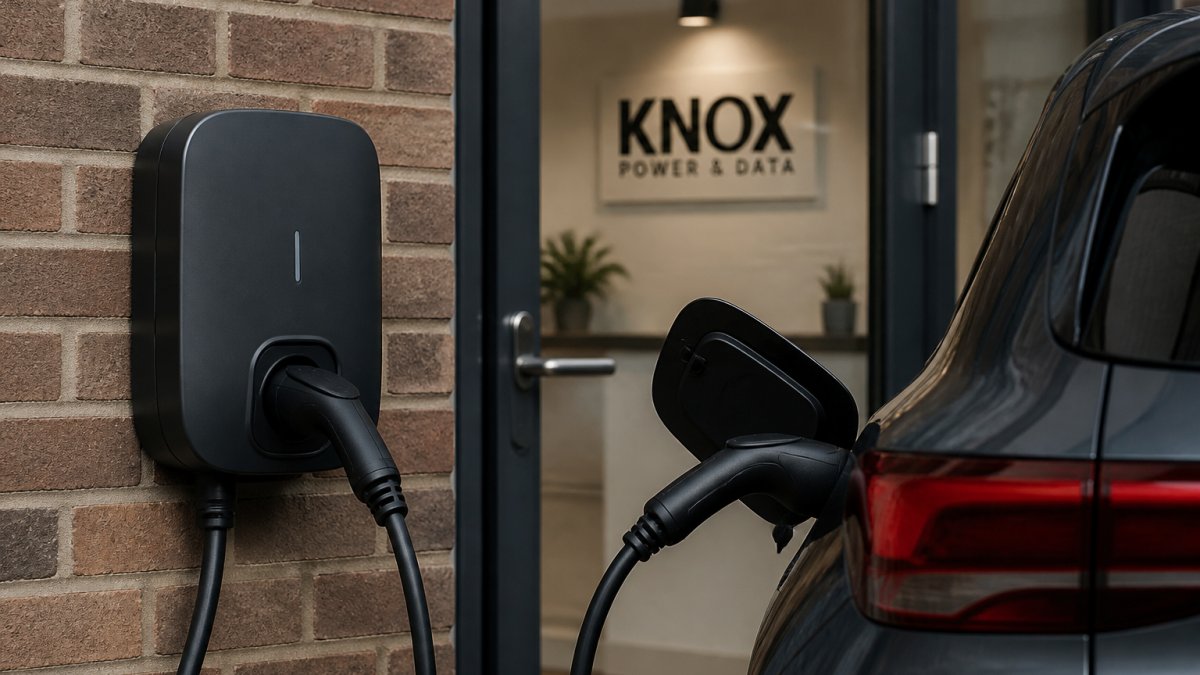
The charger itself is often called a wallbox. It sits on an exterior wall near where you park and communicates with your vehicle's onboard charger to manage the power flow safely. Most modern electric vehicles can accept 7kW charging without issue, making this the sweet spot for many UK households: faster than a standard socket, but not as expensive or complex as installing an 11kW or 22kW rapid charger.
The actual charging speed depends on your vehicle's onboard charger capacity. Some EVs max out at 3.6kW even if you install a 7kW wallbox. Others will happily pull the full 7kW. This is a critical detail most guides skip, the charger's power rating doesn't guarantee your car will use all of it.
7kW EV Charger Charging Time: Real-World Estimates
Most owners want to know one thing: how long does a full charge actually take? With a 7kW charger, a typical overnight charge works well for daily driving. The real-world time depends entirely on your vehicle's battery size and efficiency.
A 50kWh battery (common in mid-range EVs) typically charges from empty to full in roughly 7-8 hours at 7kW. A smaller 40kWh battery takes 5-6 hours. Larger 75kWh batteries need 10-11 hours. These are ballpark figures, actual times vary based on temperature, battery condition, and charger efficiency.
Most households charge overnight when electricity rates are lower and the vehicle sits idle anyway. If you drive 30 miles daily, you're replacing roughly 8-10kWh of energy. A 7kW charger replenishes that in just 1-1.5 hours, meaning you can top up during the day if needed.
The key advantage over a standard three-pin plug is speed. A three-pin socket delivers only 2.3kW, so that same 50kWh battery takes 20+ hours to charge fully. For daily top-ups, a 7kW charger is genuinely transformative.
7kW Charger vs Three-Pin Plug: Speed and Safety
The difference between a 7kW dedicated charger and plugging into a standard household socket is dramatic, and it extends beyond speed. A three-pin plug is designed for low-power devices like kettles and hairdryers, not sustained high-current draw over hours.
Charging an EV through a three-pin plug works, technically. But it generates heat in the socket and cable. Extended use risks damaging the outlet or creating a fire hazard. Electricians consistently warn against relying on three-pin charging for regular use. A dedicated 7kW charger uses proper cabling, a dedicated circuit, and safety mechanisms designed specifically for EV charging.
The three-pin method also charges much slower, roughly 2.3kW versus 7kW. That 5-6 hour overnight charge becomes 20+ hours. For anyone driving regularly, three-pin charging is impractical.
Safety is the real differentiator. A 7kW wallbox includes residual current device (RCD) protection, meaning it cuts power instantly if it detects a fault. It also communicates with your vehicle to ensure safe power delivery. A three-pin socket offers none of this. The upfront cost of installing a proper charger is money well spent for safety alone.
7kW vs 22kW EV Charger: Which Makes Sense for Your Home
A 22kW charger delivers roughly three times the power of a 7kW unit, cutting charging time dramatically. A 50kWh battery charges in 2-3 hours instead of 7-8 hours. For households with multiple vehicles or very high daily mileage, this speed is tempting.
The catch is cost and complexity. A 22kW charger requires three-phase electrical supply, many UK homes have single-phase only. Upgrading to three-phase involves contacting your electricity supplier and can cost £1,500-£3,000 before the charger is even installed. A 7kW charger works on standard single-phase supply that most homes already have.
For typical driving patterns, 7kW is sufficient. If you drive 30-50 miles daily and charge overnight, a 7kW charger tops up your battery completely. You're not waiting for charge, and you're not paying extra for speed you don't need. A 22kW charger makes sense only if you drive 100+ miles daily, have multiple vehicles, or need rapid top-ups during the day.
| Charger Type | Typical Charge Time (50kWh) | Electrical Supply | Installation Complexity | Best For |
|---|---|---|---|---|
| 7kW | 7-8 hours | Single-phase | Low | Daily driving under 50 miles |
| 11kW | 5 hours | Single-phase | Low to medium | Daily driving 50-80 miles |
| 22kW | 2-3 hours | Three-phase | High | High mileage or multiple vehicles |
Home EV Charger Installation Cost and Payback
Installation cost varies significantly based on your home's electrical setup. If your consumer unit has spare capacity and the charger location is close to it, installation is straightforward. If you need circuit upgrades, cable runs over 10 metres, or consumer unit modifications, costs will be higher. A few homes require a DNO (Distribution Network Operator) application if the charger would exceed the home's agreed demand; this adds time and cost to the project.
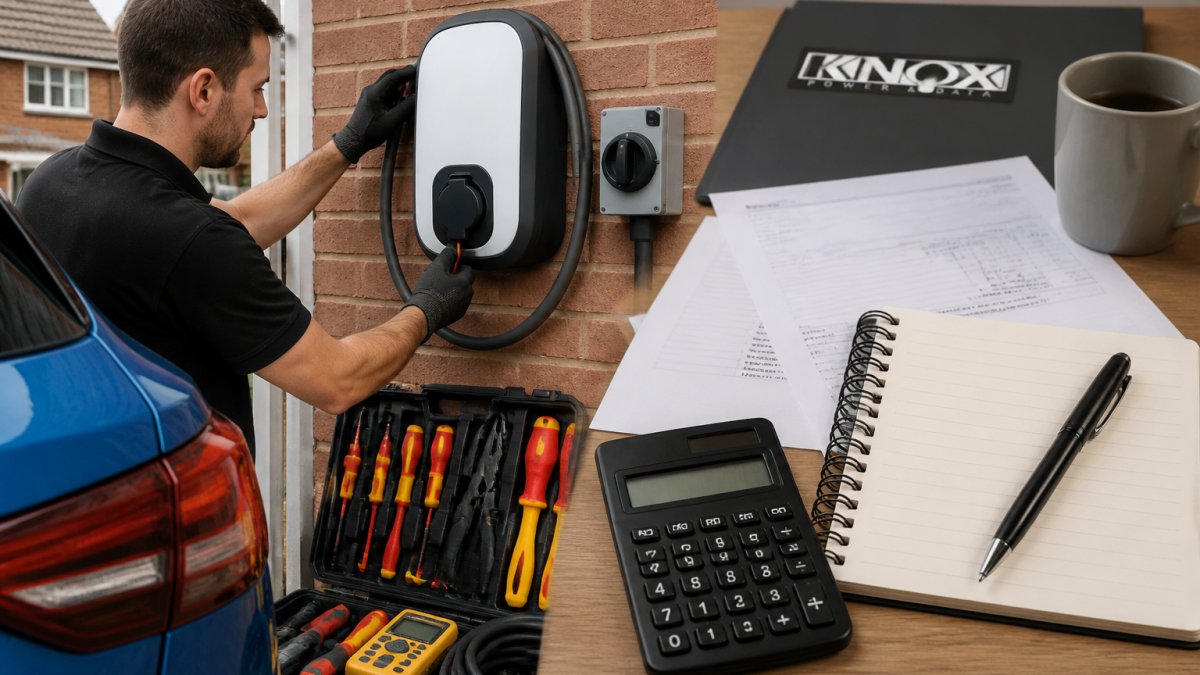
Understanding your true payback requires comparing home charging costs against your current energy spend and public charging habits.
Real-world cost example:
Assume a 50kWh battery, 4 miles per kWh efficiency, and 10,000 miles driven annually:
- Annual energy needed: 2,500 kWh
- Home charging on a standard tariff (28p/kWh): £700 per year
- Home charging on an off-peak tariff (12p/kWh, 7 hours nightly): £300 per year
- Public rapid charging (55p/kWh average): £1,375 per year
If you currently rely on public rapid chargers, installing a 7kW charger saves £675-£1,075 annually. A £1,000 installation pays for itself in 1-1.5 years. If you're switching from a standard three-pin plug (which most households use only occasionally), savings are lower, perhaps £200-£400 annually, extending payback to 2.5-5 years.
Payback improves further if you:
- Switch to an off-peak tariff (Economy 7 or a smart tariff like Octopus Go). Many suppliers offer 5-8p/kWh rates for off-peak hours, cutting running costs by 60%.
- Have solar panels or a home battery. Charging during peak solar generation or from stored battery reduces grid electricity costs to near zero.
- Drive higher annual mileage. A household covering 15,000 miles annually saves £1,000-£1,600 per year, paying back installation in under a year.
Most UK households see payback within 2-4 years through fuel savings alone. Add government grants (if eligible under the OZEV scheme, though the domestic grant ended in March 2022, some workplaces and multi-unit buildings still qualify) and the return improves further.
Does Your Home's Electrical Supply Support 7kW Charging
A 7kW charger requires a dedicated 32-amp circuit on your home's electrical system. Most UK homes built after the 1990s have capacity for this without upgrades, but several practical constraints determine whether your property can support it safely.
Single-phase supply (standard for UK homes):
The vast majority of UK residential properties are connected to a single-phase 230V supply. A 7kW charger draws roughly 30 amps at full load.
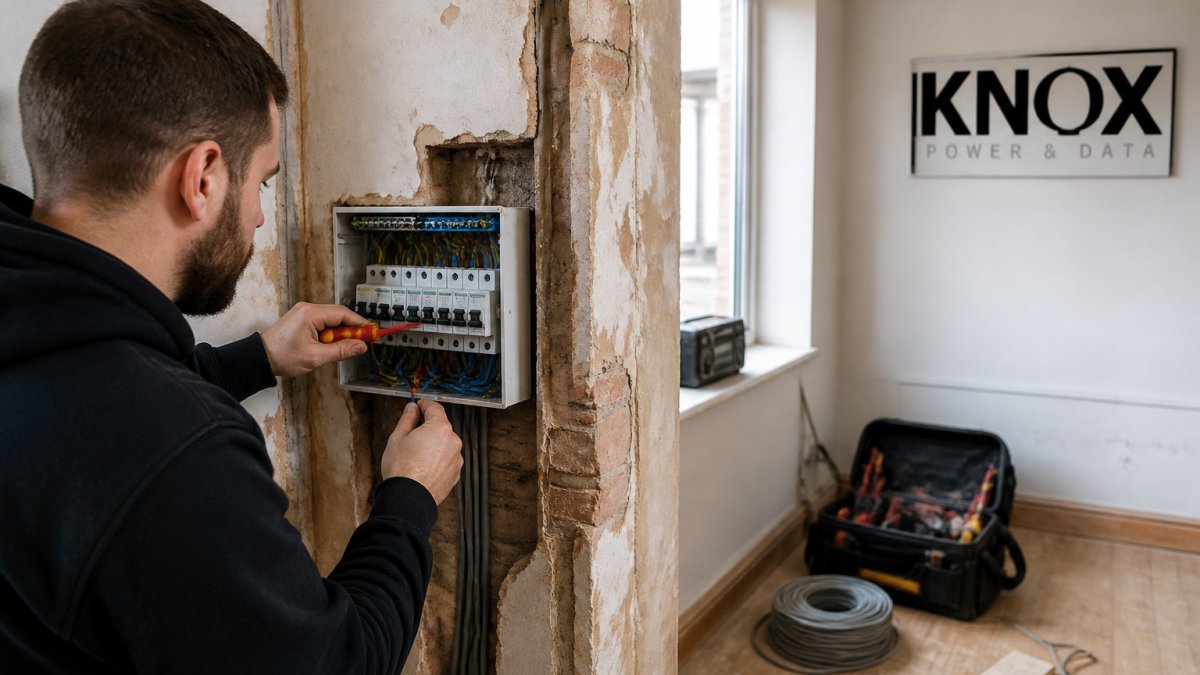
A qualified electrician will assess your actual demand profile. They'll check:
- Your main supply capacity (printed on your electricity meter or bill).
- Your consumer unit's available space and circuit capacity.
- Whether your earthing and bonding meet BS 7671 standards (the UK's electrical safety code).
- Whether a new dedicated circuit can be safely routed from the consumer unit to the charger location.
Most homes built after 2000 have sufficient headroom. Older properties, especially those with aging consumer units or high baseline demand (large electric heating systems, for example), may need a consumer unit upgrade before a charger circuit can be added. This typically requires additional investment and time.
Three-phase supply:
If your home has three-phase supply (less common in residential areas, but present in some rural or newly built properties), you have even more capacity. A 7kW charger on three-phase uses only about 10 amps per phase, leaving substantial headroom.
When a DNO assessment is required:
If your home's agreed demand (the maximum power you're contracted to draw) is already close to your supply limit, or if the charger installation would increase demand by more than 3.6 kW, your installer must notify the DNO.
Load balancing and timing:
Even if your supply has capacity, consider when you'll charge. If you charge overnight during off-peak hours (typically 11 p.m. to 7 a.m.), your charger won't compete with daytime appliances. If you charge during the day or evening, ensure other high-load devices (cooker, heating, tumble dryer) aren't running simultaneously.
Is a 7kW Charger Right for Your Driving Habits
The right charger size depends on three factors: daily mileage, charging frequency, and available time.
If you drive under 50 miles daily and charge overnight, a 7kW charger fully replenishes your battery every night. You never run low. If you drive 50-100 miles daily, a 7kW charger still works, but you might need to top up during the day occasionally, still faster than a public charger. If you drive over 100 miles daily, consider 11kW or 22kW.
Charging frequency matters too. If you charge daily, even a slower charger works fine. If you charge twice weekly, you need a faster unit to get enough range between sessions. Most owners underestimate how much they'll charge at home once a charger is installed, it's simply more convenient than public charging.
Available time is the practical limit. Overnight charging windows are typically 8-10 hours. A 7kW charger uses that window efficiently for batteries up to 60kWh. Larger batteries benefit from faster chargers.
Installing a 7kW home EV charger makes financial and practical sense for most UK households. It delivers charging speeds that work for daily driving, costs less to install than higher-power options, and saves money compared to relying on public chargers. We'll assess your home's capacity, discuss your driving patterns, and recommend the right solution. Get a Quote from our NAPIT-registered team.
Frequently Asked Questions
How long does it take to charge an electric car on a 7kW charger?
Charging time depends on your vehicle's battery size and onboard charger capacity. A 50kWh battery typically takes 7-9 hours for a full charge on a 7kW charger, while a 75kWh battery may need 10-13 hours. Most drivers charge overnight and wake to a full battery. Partial top-ups during the day are faster; adding 100 miles of range usually takes 2-3 hours.
What's the difference between a 7kW and 22kW home EV charger?
A 22kW charger delivers three times the power, cutting charging time significantly. However, 22kW chargers require three-phase electrical supply, which most UK homes don't have. A 7kW charger works on single-phase supply found in standard homes. For most drivers, 7kW is sufficient for overnight charging and costs less to install.
Is a 7kW wallbox better than charging from a three-pin plug?
Yes, significantly. A three-pin socket delivers roughly 2-3kW and takes 20+ hours to fully charge many vehicles. It also risks overheating the plug and circuit. A 7kW wallbox charges 2-3 times faster, safely, and is purpose-built for daily EV charging. The safety and speed difference makes a dedicated charger essential if you own an electric vehicle and plan to charge regularly at home.
Do I need a 7kW charger if I only drive short distances?
Not necessarily. If you drive under 20 miles daily, a three-pin plug may suffice, though it's slow and not ideal long-term. A 7kW charger is a better investment for convenience and safety, even for low mileage. It future-proofs your home if you upgrade to a larger-battery vehicle later. For most homeowners, the cost difference between a plug and a 7kW charger is modest compared to the EV purchase itself, making it a practical choice.