 how-to
Integrating Solar Panels with EV Charging: A Practical Guide
Table of Contents
- Why Integrate Solar Panels with EV Charging Stations
- Assessing Your Electrical Panel Capacity for Solar and EV Systems
- Charging an Electric Car with Solar Panels: What's Possible
- Choosing a Solar-Compatible EV Charger
- Solar Battery for EV Charging: Storage and Timing
- EV Charger Load Management and Electrical Safety
- Installation, Permits, and Professional Compliance
- Common Mistakes and What to Avoid
- Frequently Asked Questions
Last Updated: October 6, 2026
Why Integrate Solar Panels with EV Charging Stations
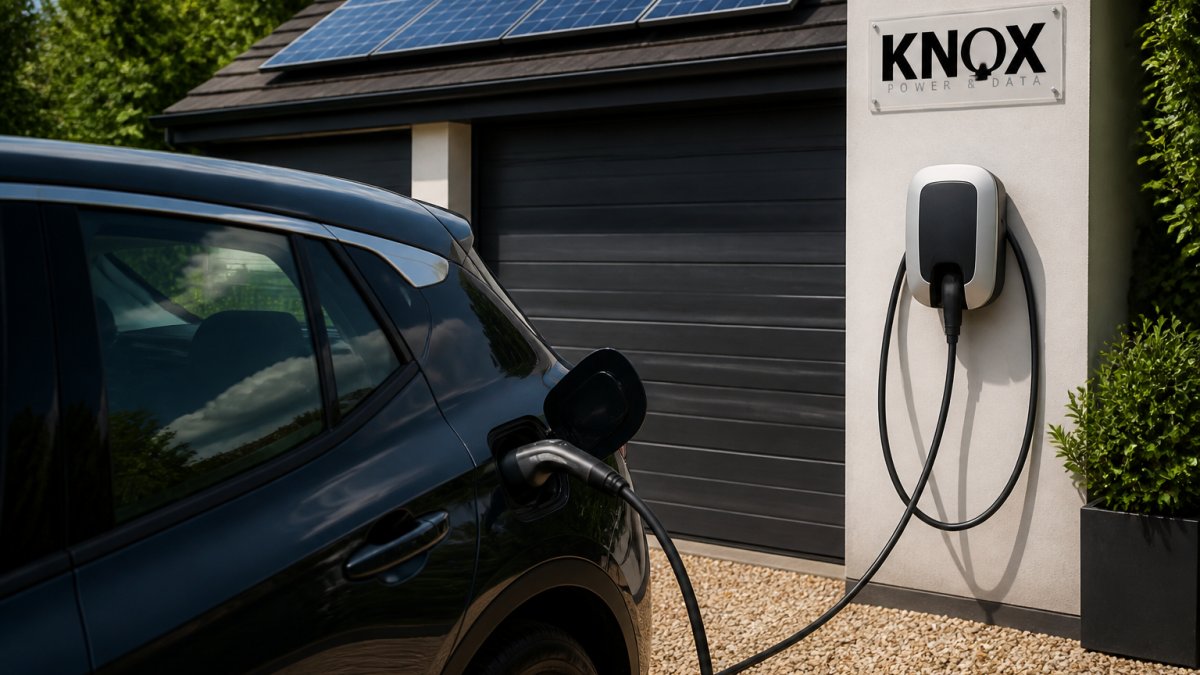
Combining solar panels EV charging creates a self-sufficient energy system for your home. You generate electricity from the sun and use it to charge your vehicle instead of drawing from the grid. This approach reduces energy bills and improves energy independence.
The appeal is straightforward: lower running costs, reduced reliance on grid electricity, and alignment with sustainable living. However, the technical reality is more complex than simply installing both systems side by side.
The decision depends on your current electrical setup, your home's total energy demand, and how much solar capacity you can realistically install. Many homeowners assume any panel-and-charger combination will work. It won't.
Below, we'll walk through the technical decisions you'll face, the electrical upgrades you might need, and the practical steps to get this right.
Assessing Your Electrical Panel Capacity for Solar and EV Systems
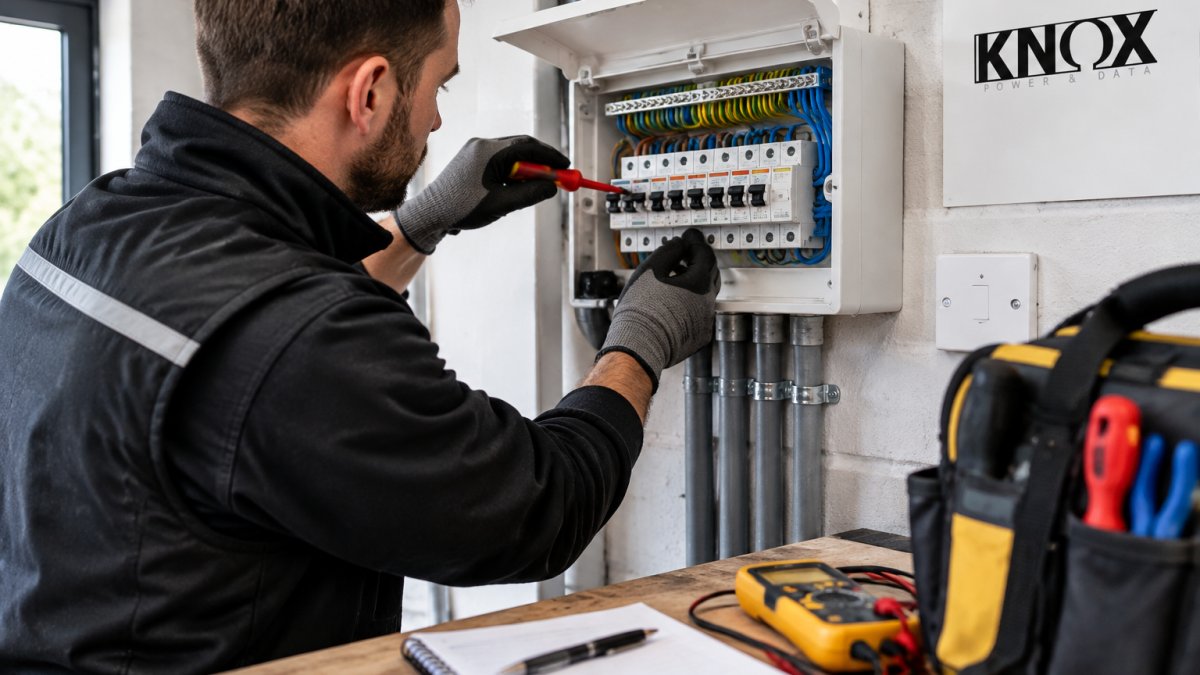
Your electrical panel is the hub where all power flows. Before adding solar panels and an EV charger, you need to know how much capacity your panel has left.
Understanding your current service capacity
Your home receives power through a main service connection. This connection has a rated capacity, typically 100 amps or 200 amps in older and newer homes respectively. Your panel contains circuit breakers that distribute power to different parts of your home.
Check your consumer unit (electrical panel) to find the main breaker rating. This number tells you the maximum current your home can draw at once. If your main service is 100 amps, that's your absolute ceiling.
The key question: how much spare capacity does your panel have right now?
- Look at your current breaker configuration
- Count how many breaker slots are empty
- Note which circuits are in use and which are available
If your panel is full or nearly full, adding an EV charger and solar system becomes much more expensive. You may need a service upgrade or a subpanel installation.
Calculating total household demand
Household demand is the total power your home uses at peak times. This isn't an average, it's the worst-case scenario when multiple high-power devices run simultaneously.
Common high-demand appliances include:
- Electric cooker: 10-13 kW
- Electric heating system: 3-6 kW
- Air conditioning: 3-5 kW
- Water heater: 3-4 kW
- EV charger (Level 2): 7-11 kW
If your cooker, heating, and EV charger all run at once, your total demand could exceed 20 kW (roughly 87 amps). Most homes with 100-amp service cannot handle this without upgrading.
This is where many homeowners run into trouble. They think about average usage, not peak usage. Peak demand is what your electrical panel must handle safely.
Work with a qualified electrician to calculate your actual peak demand. They'll review your appliances, their power ratings, and realistic usage patterns. This calculation determines whether your existing panel can accommodate both systems or whether an upgrade is necessary.
Charging an Electric Car with Solar Panels: What's Possible
Not all solar-and-charger combinations work the same way. The system architecture matters enormously.
Direct solar charging versus grid-tied systems
Direct solar charging means your EV charger draws power only from your solar panels when the sun is shining. No battery, no grid backup.
Direct charging is rare in practice because it's inflexible. Most people need to charge at night or during cloudy weather. Without battery storage or grid connection, you're stuck.
Grid-tied systems are far more common. Your solar panels feed electricity to the grid when you generate excess power. You draw from the grid when the sun isn't shining.
Grid-tied systems are simpler to install and more reliable. You don't depend on perfect weather or perfect timing. However, you still pay for grid electricity when solar isn't generating.
A hybrid approach uses battery storage: solar charges a battery during the day, and the battery powers your EV charger at night. This requires more equipment, higher upfront cost, and careful load management.
The system you choose depends on your budget, your daily driving patterns, and your home's solar potential.
Choosing a Solar-Compatible EV Charger
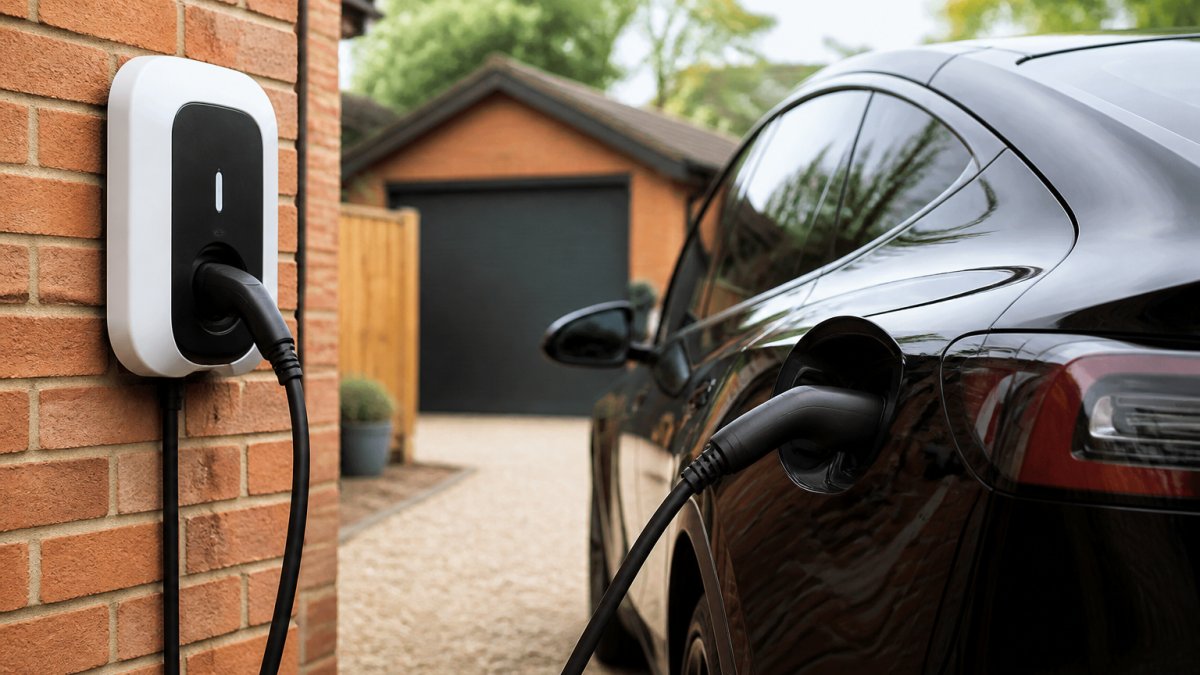
Not all EV chargers are equally suited to solar integration. The right charger includes features that let it adapt to variable solar output and manage household demand.
Load-management features and smart charging
Smart charging allows your charger to adjust its power draw based on available solar generation.
Load management monitors your total household demand and reduces the charger's power draw if other appliances spike. For example, if your cooker turns on, the charger automatically reduces its draw to stay within your panel's capacity.
These features require:
- A smart charger with communication capability
- Monitoring equipment that tracks solar output and household demand
- Integration between the charger and your home's electrical system
Not every charger offers these features. Standard chargers draw power at a fixed rate regardless of what else is running. Pairing a standard charger with solar panels works, but you lose the efficiency gains and risk overloading your panel.
When choosing a charger, ask whether it supports:
- Real-time power adjustment
- Integration with solar monitoring systems
- Communication with your home's energy management system
- Scheduled charging (to prioritise charging during peak solar hours)
These capabilities make the difference between a system that merely coexists and one that truly integrates solar panels EV charging.
Solar Battery for EV Charging: Storage and Timing
Battery storage is the most effective way to align solar generation with EV charging demand, especially if you charge at night or during cloudy periods.
When battery storage makes sense
Battery storage is worth considering if:
- You charge your EV mostly at night or during low-light hours
- Your solar system generates more power than your home uses during the day
- You want maximum energy independence from the grid
- You can afford the upfront cost (batteries are expensive)
A typical home battery (10-15 kWh) costs significantly more than the solar panels themselves. Over time, the savings in grid electricity offset this cost, but the payback period is often 10+ years.
Battery systems also require careful sizing. If your battery is too small, you'll still need grid power at night. If it's too large, you'll waste money on capacity you don't use.
The real advantage of batteries is timing flexibility. Solar generation peaks in midday. Most people need to charge their EV in the evening. A battery bridges that gap, storing midday solar power and releasing it when you need it.
Without batteries, you're limited to charging when the sun is shining or accepting grid power during off-peak hours. With batteries, you can charge whenever you want using stored solar energy.
EV Charger Load Management and Electrical Safety
Safe integration of solar panels and EV charging requires careful attention to electrical load and circuit design.
Dedicated circuits and breaker requirements
Your EV charger must have a dedicated circuit. This circuit runs from the main panel directly to the charger with no other devices connected to it. A dedicated circuit protects the charger and your home's wiring from overload.
The circuit breaker protects the wiring. If the charger draws too much current, the breaker trips and cuts power. The breaker size depends on the charger's power rating and the wire gauge:
- 7 kW charger: typically 32-amp breaker with 6 mm² cable
- 11 kW charger: typically 50-amp breaker with 10 mm² cable
Your main panel must have available breaker slots for both the charger and the solar inverter. If your panel is full, you'll need either a subpanel or a service upgrade.
Managing demand between solar generation and household use
Load management prevents your household from exceeding your panel's capacity when the EV charger and other appliances run together.
The principle is simple: if your panel's maximum capacity is 100 amps, and your household is currently using 60 amps, the charger can draw only 40 amps safely. When household demand rises (cooker turns on), the charger's available power shrinks.
Smart chargers handle this automatically. Dumb chargers don't. With a dumb charger, you must manually reduce its power or turn it off when other high-power appliances run.
For solar-integrated systems, automated load management is nearly essential. Manual management works only if you're home and attentive to your charger's operation.
Installation, Permits, and Professional Compliance
Integrating solar panels with EV charging is not a DIY project. Electrical work requires certification, permits, and inspections.
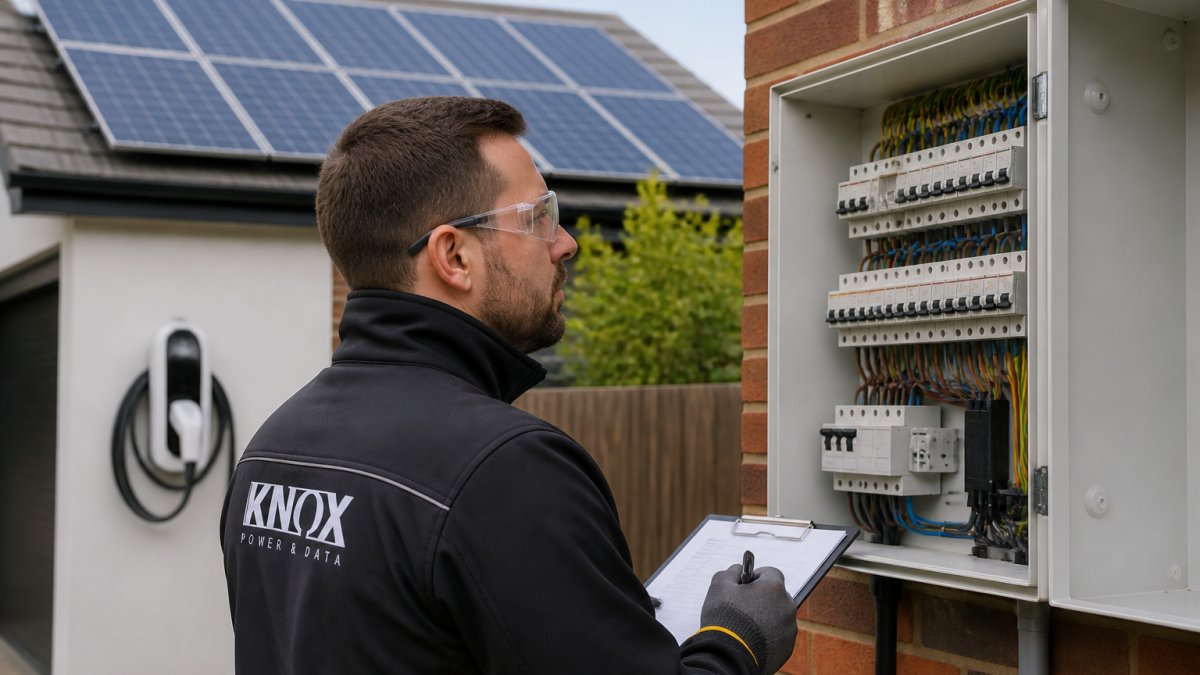
What to expect from start to finish
The project timeline for integrating solar panels with EV charging can vary.
- Week 1-2: Site survey and load calculation. An electrician assesses your panel, calculates household demand, and determines what upgrades are needed.
- Week 2-3: Design and permitting. Plans are drawn and submitted to the local authority.
- Week 3-5: Approval and ordering. Permits are issued and equipment is ordered.
- Week 5-7: Installation. Electrical work, panel upgrades, charger installation, and solar system installation happen.
- Week 7-8: Inspection and certification. A qualified inspector tests the system and issues a completion certificate.
Your electrician handles most of this. However, you may be responsible for:
- Obtaining planning permission if required
- Arranging utility coordination if a service upgrade is needed
- Providing access to your home during installation
- Clearing the area where panels will be mounted
Inspection and certification standards
All electrical work in the UK must comply with BS 7671 (Requirements for Electrical Installations) (BS 7671 - Requirements for Electrical Installations). This standard covers everything from cable sizing to grounding to breaker selection.
Your installation must be inspected by a qualified inspector and certified with an Electrical Installation Certificate. This certificate proves the work meets safety standards and is essential if you ever sell your home.
Knox Power & Data is BS 7671 18th Edition qualified and NAPIT registered. Our team handles design, installation, inspection, and certification under one roof. We ensure your solar-and-charger integration meets all safety requirements and works reliably.
The inspection checks:
- Correct breaker sizing and circuit protection
- Proper cable routing and grounding
- Safe integration of solar inverter and EV charger
- Absence of overload risk
- Compliance with building regulations
Common Mistakes and What to Avoid
Understanding what goes wrong helps you plan better.
Underestimating peak demand. Many homeowners calculate average household power use, not peak use. Peak demand is what matters for panel sizing.
Skipping load management. Pairing a basic EV charger with solar panels without load management creates conflict.
Installing a charger before assessing panel capacity. Some homeowners install an EV charger first, then discover their panel can't handle it.
Choosing the wrong charger type. A charger rated for 11 kW might draw less in practice if your panel is smaller.
Neglecting professional certification. DIY electrical work is dangerous and illegal. Always hire a qualified, certified electrician.
Integrating solar panels with EV charging is achievable, but it demands careful planning and professional execution.
Frequently Asked Questions
Can solar panels charge an electric vehicle directly without a battery?
Solar panels can charge an EV directly through a grid-tied system when the sun is shining and your charger has load-management capability. However, direct charging works best during peak daylight hours. Without battery storage, you cannot charge when the sun is not shining. A battery system stores excess solar energy for use during evening or cloudy periods, making charging more flexible and reliable year-round.
Do I need an electrical panel upgrade to integrate solar panels with EV charging?
Whether you need a panel upgrade depends on your current service capacity and the combined demand of solar inverters, EV chargers, and household appliances. A 100-amp service may struggle with simultaneous high loads, whilst a 200-amp service typically accommodates both systems. A qualified electrician can calculate your total electrical load to determine if an upgrade is necessary or if load management alone will suffice.
How does EV charger load management work with solar panels?
Load management adjusts the charging rate of your EV charger based on available solar generation and household demand. Smart chargers communicate with solar monitoring systems to prioritise solar power for charging when supply is high, then reduce charging speed during low-generation periods or grid demand peaks. This prevents overloading your electrical panel and maximises the use of self-generated renewable energy.
What size solar battery do I need for EV charging?
Battery size depends on your daily EV charging needs and how much solar energy you want to store. Consult a solar and electrical specialist to match battery capacity to your specific usage patterns and solar generation profile.