 how-to
What Is a NAPIT Registered Electrician?
Table of Contents
- What Is a NAPIT Registered Electrician?
- Understanding Part P Building Regulations Compliance
- How to Check If an Electrician Is Registered
- Electrical Safety Standards for Landlords
- Why NAPIT Registration Matters for Homeowners
- The Verification Process and What to Expect
- Common Misconceptions About Registered Electricians
- Frequently Asked Questions
Last Updated: September 20, 2026
What Is a NAPIT Registered Electrician?
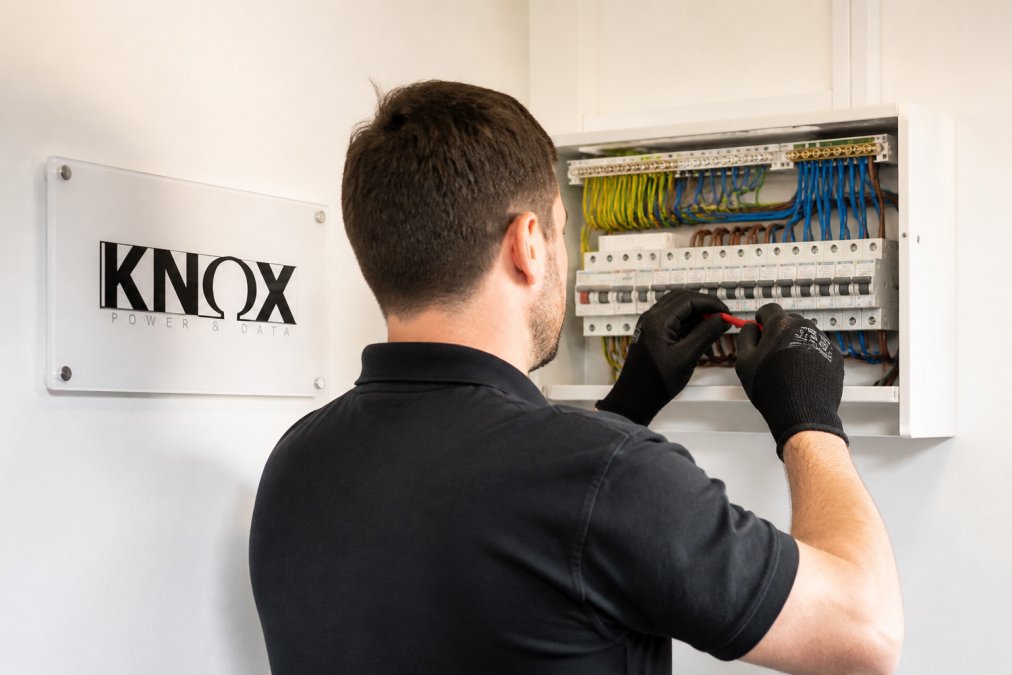
A NAPIT registered electrician is a qualified professional certified by NAPIT (National Association of Professional Inspectors and Testers), a leading UK competent person scheme. Registration demonstrates they've met rigorous standards for technical competence, safety knowledge, and professional conduct, and maintain ongoing compliance with building regulations and electrical safety standards.
NAPIT registration provides legal protection for homeowners and property managers. A registered electrician can self-certify their work under Part P of the Building Regulations, saving time and money while ensuring the installation meets current safety standards. Knox Power & Data holds NAPIT membership (Member No. 69848), reflecting our commitment to delivering compliant, high-quality electrical installations across domestic and commercial properties.
The registration process involves verification of qualifications, competence testing, and regular audits. Unlike unregistered tradespeople, a NAPIT registered electrician operates under a scheme with accountability and consumer protection built in.
Understanding Part P Building Regulations Compliance
Part P of the Building Regulations requires all electrical work in domestic properties to be carried out by someone competent and meet current safety standards. A NAPIT registered electrician demonstrates this competence through formal certification and ongoing compliance monitoring.
Electrical work must be either notifiable to building control or self-certified by a competent person. A NAPIT registered electrician issues an Electrical Installation Certificate proving compliance with BS 7671 (the standard for electrical installations), essential when selling, as buyers' solicitors will request this evidence.
Most domestic electrical work falls under Part P, including new circuits, consumer unit replacements, and major rewiring. A NAPIT registered electrician knows which work requires certification and which doesn't, preventing unnecessary bureaucracy while ensuring safety.
Building control approval ensures independent verification of electrical safety. When work is self-certified by a NAPIT registered professional, the burden of ensuring compliance rests on the registered electrician's scheme, creating accountability and consumer redress if something goes wrong.
How to Check If an Electrician Is Registered
Verifying NAPIT registration is straightforward. Here's how to do it properly.
Step 1: Get the Membership Number Before Booking
Ask the electrician directly for their NAPIT membership number. A legitimate registered electrician will provide this immediately. If they're evasive or cannot recall it, move on.
Step 2: Search the NAPIT Register Online
Go to the NAPIT website and use their online register search tool. Enter the electrician's full name or membership number. Verify their registration status, scope of work (domestic, commercial, or both), and that it covers the type of work you need done.
Confirm their registration is current. Expired registration means they cannot legally self-certify work under Part P.
Step 3: Inspect Their Physical Credentials
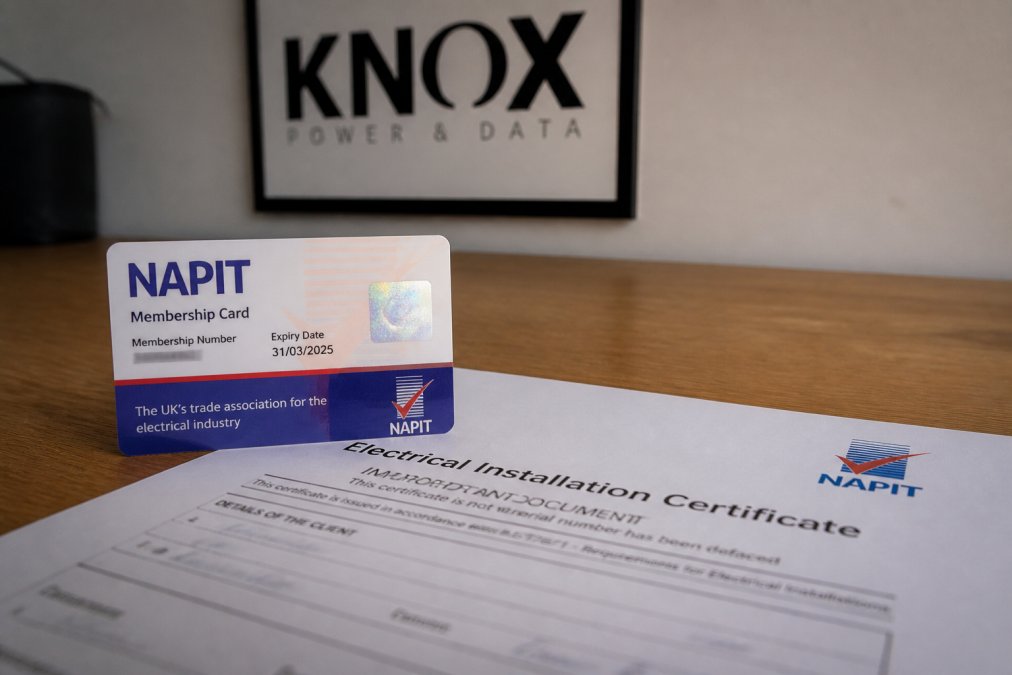
When the electrician visits, ask to see their NAPIT membership card. A genuine card displays their full name, membership number, NAPIT logo with security features (hologram, watermark, or embossed details), expiry date, and scope of registration. Look for poor print quality, misaligned text, or missing security features as signs of counterfeits.
Step 4: Request Evidence of Previous Work
Ask the electrician to provide copies of Electrical Installation Certificates from previous jobs. A genuine certificate shows the NAPIT logo, electrician's name and membership number, property address, date, installation description, test results confirming BS 7671 compliance, and the electrician's signature. If they cannot provide examples, this is a serious warning sign.
Step 5: Verify Insurance Coverage
A professional electrician should hold public liability insurance and employers' liability insurance if they employ staff. Ask to see their insurance certificate, confirming the insurer's name, policy number, cover type, amount, and expiry date. An electrician without insurance leaves you exposed to liability.
Step 6: Check for Complaints or Disciplinary History
Contact NAPIT directly if you have concerns about an electrician's conduct or have had a poor experience.
What to Do If You Discover They're Not Registered
If an electrician is not registered or their registration doesn't cover your work, do not proceed. Using an unregistered electrician exposes you to building control fines, insurance claims rejection, difficulty selling your property, and personal liability if the installation causes damage or injury.
Electrical Safety Standards for Landlords
Landlords must comply with the Electrical Safety Standards in the Private Rented Sector (England) Regulations 2020, which requires all electrical installations in rental properties to be inspected and tested every five years by a competent person (Electrical safety standards in the private and social rented sectors: guidance).
An Electrical Installation Condition Report (EICR) is the formal assessment required for rental properties. A NAPIT registered electrician conducts the inspection, identifies faults, and certifies safety. The report must be provided to tenants and kept for six years. Defects must be remedied within 28 days for urgent issues (Electrical safety standards in the private and social rented sectors: guidance).
Landlords who fail to comply face fines up to £30,000 and potential prosecution. A NAPIT registered electrician ensures compliance and provides formal documentation for local authorities or property inspections.
Regular electrical testing protects your investment and prevents fires. Many landlords use the same NAPIT registered electrician for all properties to simplify compliance and maintain consistent records.
Why NAPIT Registration Matters for Homeowners
Hiring a NAPIT registered electrician protects your finances and legal position.
The Insurance Invalidation Risk
Your home insurance requires electrical work to meet building regulations. If you file a claim for damage related to electrical work, insurers will investigate. Unregistered work without proper certification can result in claim rejection. A NAPIT registered electrician's Electrical Installation Certificate proves compliance and satisfies your insurer's requirements.
The Property Sale Complication
When you sell your home, the buyer's solicitor will request evidence of electrical compliance. Without an Electrical Installation Certificate from a NAPIT registered electrician, the buyer may demand a price reduction, require re-testing, or withdraw entirely. A NAPIT registered electrician's certification eliminates these complications.
Building Control Enforcement
Building control can issue notices requiring compliance, fine you for failing to notify them, or prosecute for serious breaches. They typically discover non-compliant work when you sell, apply for a mortgage, or make an insurance claim. A NAPIT registered electrician ensures compliance from the start, eliminating this risk.
Mortgage Lender Requirements
Mortgage lenders require evidence of electrical compliance for major work. Without NAPIT certification, you limit your pool of potential buyers to cash purchasers, significantly reducing your property's marketability and sale price.
The Cost of Remedial Work
If you hire an unregistered electrician and later discover non-compliance, remedial work can be costly. This is entirely avoidable by hiring a registered electrician from the start.
Liability and Safety
If an unregistered electrician's work causes damage, you have limited recourse and may be liable yourself. A NAPIT registered electrician operates under a scheme with professional indemnity insurance and dispute resolution.
Peace of Mind
NAPIT registration gives you certainty that work meets current safety standards and is certified by a scheme with accountability. The cost is typically comparable to unregistered work, and the protection far outweighs any marginal cost difference.
The Verification Process and What to Expect
The verification process for NAPIT registration is transparent and consumer-friendly. When you contact an electrician, ask them to confirm their NAPIT membership number. They should provide this immediately, it's typically a four to five-digit number. Write it down and verify it against NAPIT's online register before proceeding.
During the initial consultation, a NAPIT registered electrician will assess your work, explain what's needed, and confirm whether the work requires building control notification.
Common Misconceptions About Registered Electricians
Many homeowners believe that NAPIT registration is optional or that unregistered electricians can do the same work just as safely. This misconception can lead to serious problems. In reality, Part P regulations make registration essential for most domestic electrical work, and unregistered work may not be insured or legally compliant.
Frequently Asked Questions
What does NAPIT registration actually mean for me as a homeowner?
NAPIT registration means the electrician has met rigorous professional competence standards and undergoes regular assessment to maintain their registration. A NAPIT registered electrician can legally sign off on notifiable electrical work under Part P of the Building Regulations, providing you with a formal electrical installation certificate. This protects you because the work is guaranteed to meet safety standards, and you have legal recourse if anything goes wrong. It also means your insurance and future property sales won't be complicated by undocumented electrical work.
How do I verify if an electrician is currently NAPIT registered?
Visit the NAPIT website and use their online register to search by the electrician's name or membership number. You should see their current registration status, any qualifications held, and the date their registration expires. Ask the electrician for their membership number upfront, any registered professional will provide it without hesitation. If they can't or won't give you this information, that's a red flag. Always verify before booking work, especially for notifiable installations like consumer unit replacements or rewiring.
Why should I hire a NAPIT registered electrician instead of a non-registered one?
A NAPIT registered electrician provides legal compliance, safety certification, and consumer protection that non-registered tradespeople cannot. If you hire someone unregistered for notifiable work, you may face Building Control enforcement action, fail a future property survey, or face insurance claims if something goes wrong. NAPIT registered professionals carry public liability insurance, are regularly assessed for technical excellence, and provide formal certification that protects your home's safety and your legal standing. The financial risks of using non-registered contractors far outweigh any upfront cost savings.
What electrical work requires notification under Part P?
Notifiable work includes installing new circuits, replacing a consumer unit, rewiring a property, installing an EV charger, and any work in special locations like bathrooms or kitchens. Work in existing circuits (like replacing outlets or light fittings) is typically non-notifiable. A NAPIT registered electrician will assess your specific job and advise whether it requires formal notification and certification. When in doubt, ask, it's far better to have proper documentation than to discover later that work should have been notified.