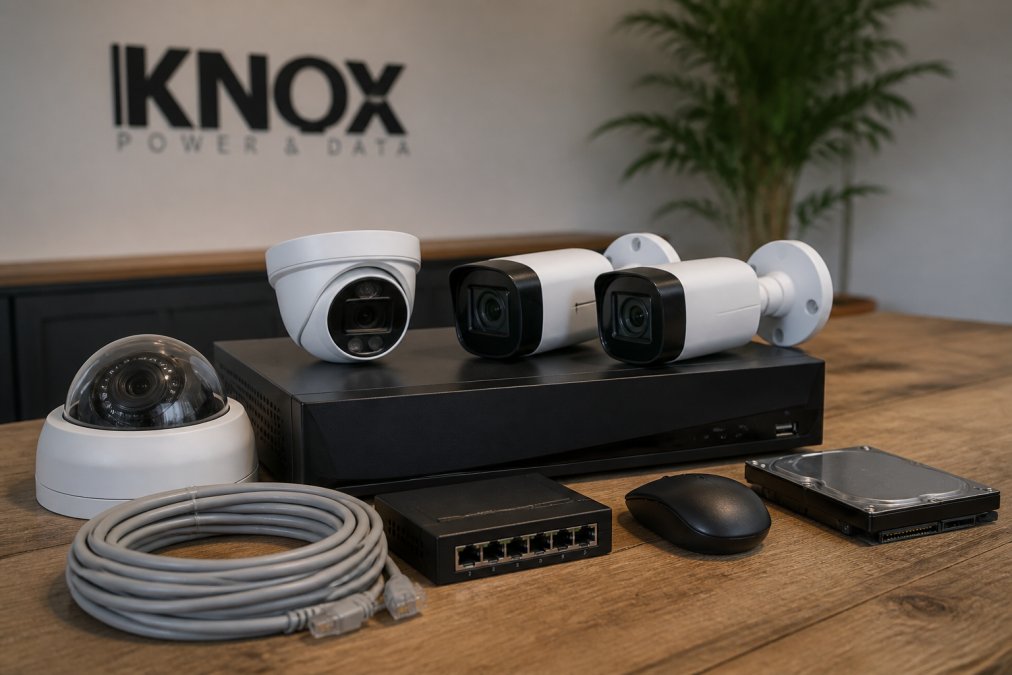
 listicle
Best CCTV Systems for Small Business
Table of Contents
- Quick Comparison Table
- How We Evaluated These CCTV Systems
- Lorex: High-Resolution Local Storage Without Subscriptions
- Reolink: PoE Systems for Reliable, Scalable Surveillance
- Swann: 12MP Cameras with Massive NVR Capacity
- ICO CCTV Compliance for Businesses
- Professional CCTV Installation Cost and What Affects Pricing
- Which CCTV System Should You Pick?
- Frequently Asked Questions
Last Updated: September 19, 2026
Quick Comparison Table
Choosing the best CCTV systems for small business requires balancing upfront costs, ongoing subscriptions, installation complexity, and your specific surveillance needs. The best CCTV systems for small business fall into two broad categories: local storage solutions that avoid monthly fees, and cloud-based systems that offer remote access and professional monitoring.
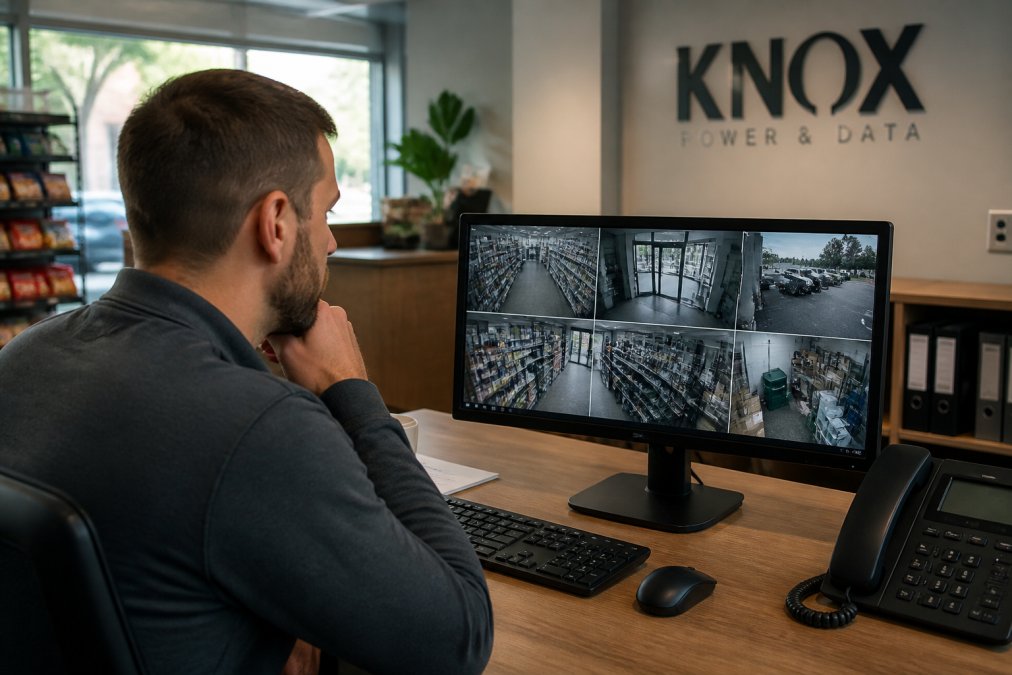
| System | Starting Price | Storage Type | Best For | Key Advantage |
|---|---|---|---|---|
| Lorex | £40-£650 | Local NVR | Budget-conscious businesses | No subscription fees |
| Reolink | £50-£500 | Local NVR or PoE | Growing businesses | Flexible, scalable PoE |
| Swann | £150-£800 | High-capacity NVR | Long-term retention | 12MP resolution, massive storage |
| Arlo | £100-£300 per camera | Cloud-based | Easy wireless setup | 4K video, smart integrations |
| Ring | £60-£250 | Cloud-based | Retail/office spaces | Simple app-based management |
| ADT | Contact for pricing | Professional monitoring | Full security coverage | 24/7 professional monitoring |
| Blink | £40-£150 | Cloud or local Sync | Budget setups | Battery-powered, affordable |
| Verkada | Contact for pricing | Cloud-managed | Multi-site operations | Centralised management |
How We Evaluated These CCTV Systems
We assessed each system across resolution quality, storage flexibility, ease of installation, scalability, compliance with data protection standards, and subscription costs.
IP cameras versus analogue systems: IP (Internet Protocol) cameras transmit video as digital data over your network, enabling remote access, higher resolution, and intelligent features like motion detection. Analogue cameras use coaxial cable to a DVR, requiring less bandwidth but offering lower resolution and limited remote access. Most modern small business systems use IP cameras; analogue systems remain viable only for businesses with poor network infrastructure.
Cloud storage versus local storage: Cloud-based systems offer automatic backup and remote access but incur ongoing subscription fees (typically £5-£20 per camera monthly) and depend on internet connectivity. Local storage systems avoid subscriptions and work without internet but require you to manage hardware failure and storage capacity. Local storage is more cost-effective over five years for growing operations needing long-term retention.
Professional monitoring versus self-monitoring: Professional monitoring services provide 24/7 human monitoring and emergency response coordination for £30-£60 monthly, essential for high-value assets or high-risk areas. Self-monitoring saves money but requires staff availability to respond to alerts. Most small businesses self-monitor initially.
Data protection and compliance is non-negotiable. Ensure systems support ICO requirements: encryption for remote access, audit logs showing who accessed footage and when, data retention controls, and data processing agreements with providers. Systems lacking these features expose your business to enforcement action.
Scalability and integration matter as your business grows. Ensure systems allow you to add cameras without replacing the entire NVR and integrate with your existing network infrastructure and access control systems.
Remote access and mobile app integration determine whether you can monitor your business remotely. Seamless remote access benefits multi-location businesses; single-location operations may not need this feature.
Night vision and low-light performance directly affects footage usability. Ensure systems support wide dynamic range (WDR) to handle mixed lighting conditions; poor night vision footage is often unusable for identification.
Cost of ownership over three to five years matters more than upfront price. A system costing £300 upfront but £15 monthly per camera totals £1,200 over five years for four cameras; a £600 upfront system with no subscriptions costs £600 over five years.
Lorex: High-Resolution Local Storage Without Subscriptions
Lorex delivers professional-grade video without monthly subscriptions. Systems record directly to local NVR hardware, keeping footage on your premises with complete access control. This appeals to business owners avoiding rising cloud storage fees or internet dependency.
4K resolution captures fine detail for insurance claims and law enforcement. Setup typically requires professional installation. Lorex systems start around £40 for basic kits and scale to £650 for multi-camera packages.
Lorex requires port forwarding or VPN for remote access, adding complexity compared to cloud systems. This limitation barely matters for fixed-location businesses without constant mobile access needs.
Reolink: PoE Systems for Reliable, Scalable Surveillance
Reolink's strength is Power over Ethernet (PoE) technology, which runs data and power through a single cable. This means simpler installation, lower labour costs, and greater reliability than wireless alternatives.
NVR systems support 4K or 12MP cameras with local storage and no mandatory subscriptions. Pricing ranges from £50 to £500. The mobile app provides remote viewing without additional fees.
Reolink's scalability is genuine, add cameras without replacing the entire system. Hardware is durable and weatherproof for indoor and outdoor use.
Swann: 12MP Cameras with Massive NVR Capacity
Swann specialises in high-capacity local storage for extended footage retention. 12MP cameras deliver exceptional clarity; NVR units store weeks or months of continuous recording. Ideal for regulated industries and complex installations.
Pricing starts at £150 and climbs to £800 for comprehensive setups. Hardware is weatherproof and vandal-resistant. Installation typically requires professional setup.
True Detect heat and motion sensing reduces false alerts by learning normal activity patterns and alerting only to genuine anomalies.
ICO CCTV Compliance for Businesses
Installing CCTV is a legal decision. The Information Commissioner's Office (ICO) regulates how businesses collect, store, and use surveillance footage. Compliance isn't optional.
The ICO requires a lawful basis for CCTV processing. For most small businesses, protecting property and assets is legitimate. Signage must clearly inform people that CCTV is in operation.
The ICO expects businesses to delete footage once no longer needed, typically 30 days for standard monitoring.
Ensure systems support data encryption for remote access, provide audit logs showing who accessed footage and when, and allow footage export or deletion on request. Cloud-based systems must have data processing agreements with providers.
Professional CCTV Installation Cost and What Affects Pricing
Ongoing maintenance costs are often overlooked. Camera lenses accumulate dust and weather damage, requiring periodic cleaning (typically quarterly for outdoor cameras, annually for indoor). NVR hard drives eventually fail and need replacement (typically every 3-5 years depending on usage and recording resolution). If you've chosen PoE, managed switches require firmware updates and occasional reboots, which should be scheduled during low-activity periods. Professional monitoring services add monthly fees if you choose that route. Budget for these costs when evaluating total cost of ownership over three to five years. A system that costs £1,500 to install but requires £200 annually in maintenance and storage upgrades has a very different five-year cost profile than one requiring £50 annually.
Which CCTV System Should You Pick?
The answer depends on your specific business type, budget constraints, and operational priorities. If you operate a small retail shop with a tight budget and want to avoid subscriptions, Lorex or Reolink offer solid local storage solutions. If your business is growing and you anticipate adding cameras over time, Reolink's PoE flexibility makes scaling easier without replacing your entire system.
Frequently Asked Questions
Do I need to register my business CCTV with the ICO?
Yes. If your CCTV system captures footage of individuals outside your immediate premises or if you process personal data for surveillance purposes, you must comply with data protection law. The Information Commissioner's Office (ICO) provides guidance on CCTV in the Workplace. Registration with the ICO is not always mandatory, but you must have a lawful basis for processing, keep records of your surveillance purposes, and inform staff and visitors that CCTV is in use. Consult the ICO's code of practice on CCTV to ensure your system meets legal requirements.
What are the legal requirements for business CCTV in the UK?
Your CCTV system must comply with UK data protection law (UK GDPR and Data Protection Act 2018). Key requirements include: having a legitimate reason for surveillance, using cameras only where necessary, limiting footage retention to a reasonable period, securing data with encryption, and providing clear signage that CCTV is in operation. You must also respect individuals' privacy and not film areas like toilets or changing rooms. Professional installation by a qualified technician ensures compliance with Health and Safety standards and proper cable management for workplace safety.
Should I choose IP or analogue CCTV for my business?
IP (network) cameras offer superior resolution, remote access, and easier scalability, making them ideal for most small businesses today. They transmit footage over your network, allowing two-way audio, motion detection, and remote monitoring via smartphone. Analogue systems use traditional coaxial cables and are cheaper upfront but offer lower resolution and limited features. For a small business, IP cameras, particularly PoE (Power over Ethernet) systems, provide better long-term value, easier integration with your existing infrastructure, and clearer footage for identifying incidents or individuals.
How much does professional CCTV installation cost for a small business?
Installation costs depend on system complexity, number of cameras, cable routing, and whether you need structural modifications. A basic 4-camera system typically costs more to install professionally than the hardware itself, as labour covers cable management, network configuration, and system testing. Quotes vary significantly based on your premises layout and existing electrical infrastructure. Contact a qualified installer like Knox Power & Data for a site survey and transparent quote tailored to your needs. Many businesses find professional installation worthwhile for compliance, proper configuration, and warranty support.
Choosing the right CCTV system protects your business assets and staff, but only if the system is properly installed, legally compliant, and maintained over time. The best approach combines reliable hardware, professional installation, and ongoing support. Get a quote from Knox Power & Data to discuss your specific requirements and ensure your CCTV system is installed to the highest standards with full compliance certification.